Sourcing Jet Engine Fasteners With Full Traceability: What the Chain of Custody Actually Requires

Every supplier says their parts come fully traceable. That claim is easy to make before an order ships. What matters is whether the documentation that arrives with your fasteners holds up through receiving inspection, program records, and any audit that follows. For procurement teams sourcing jet engine fasteners, that record chain has to survive real scrutiny, not just appear complete on the surface. Here’s what the chain of custody actually requires at every stage, and where most sourcing relationships fall short.

Why Jet Engine Fasteners Demand a Higher Traceability Standard

Not all aerospace fasteners carry the same risk profile, and documentation requirements follow that logic. Jet engine components operate under conditions that make part history an engineering necessity, not a compliance formality.

The Risk Profile of Propulsion Hardware

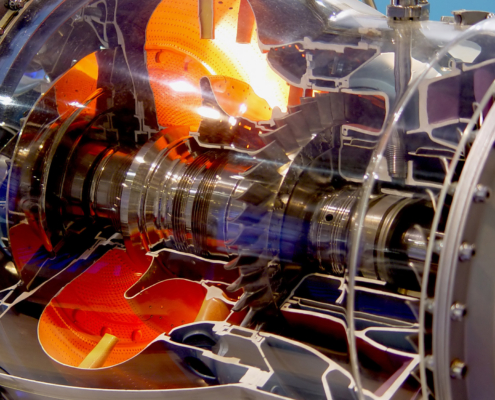
A fastener used in airframe structure and a fastener used in a jet engine’s hot section are both aerospace parts, but they’re held to different standards. Engine-adjacent hardware, including bolts, studs, and locknuts in fan cases, turbine frames, and combustor assemblies, is subject to tighter material controls, higher inspection requirements, and stricter life-tracking expectations. The consequences of a failure at those locations are more severe, and the certification requirements reflect that. When you’re sourcing these parts, jet engine fastener traceability isn’t a documentation preference. It’s the foundation of your ability to certify the assembly.

A common misconception is that a Certificate of Conformance equals full traceability. A COC confirms that a supplier is certifying compliance to a specification, but it doesn’t replace the underlying documentation. Complete jet engine fastener traceability means you can trace every part back to a specific material heat or lot, confirm that material was processed and tested to applicable specifications, verify that every secondary operation was performed to an approved process, and tie all of that to individual part identification. When any link in that chain is missing, the entire record is weakened, and no downstream paperwork can close the gap.

What a Complete Chain of Custody for Jet Engine Fasteners Contains

The chain of custody isn’t a single document. It’s a set of interconnected records that follow a part from raw material to your receiving dock, and each record serves a specific purpose during an audit.

Raw Material Certification and Mill Reports

Every traceable jet engine fastener starts with certified raw material. That means a mill test report identifying the heat number, chemical composition, and mechanical properties specific to the material used in your parts. A supplier that can’t produce a mill report, or sourced material where that document isn’t available, has introduced a gap that no downstream certification can close. This is the first link in the chain, and it either exists or it doesn’t.

Processing Records for Heat Treatment, Coatings, and Modifications

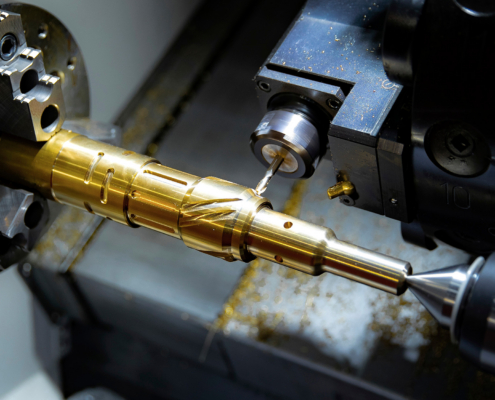
Many fasteners, especially those modified from a COTS configuration, go through secondary operations including heat treatment, surface coating, passivation, or geometric alterations to meet a specific drawing. Each of those processes needs its own certification, performed by an approved processor, documented with process parameters, and tied to the same lot or heat number as the original material. This is where aerospace fastener documentation breaks down most often: secondary processors may not maintain records to the same standard as the prime supplier, and the accountability for ensuring they do falls on whoever is coordinating the work.

Inspection Records and the Certificate of Conformance

The final COC is meaningful only when it’s backed by records. That means dimensional inspection reports, hardness test results, coating verification, and any functional testing required by the specification. Procurement teams that accept the COC alone, without visibility into the underlying inspections, don’t have full traceability. They have the supplier’s assertion. There’s a meaningful difference between those two things when an auditor starts pulling records.

Where Traceability Chains Break Down

Knowing where chain of custody gaps occur is just as important as knowing what complete documentation looks like. Most failures in jet engine fastener traceability happen in predictable places.

Value-Added Operations as the Primary Break Point

When a COTS fastener is modified, whether that’s adding a lockwire hole, changing a surface treatment, or altering geometry to meet a specific drawing, the documentation responsibility shifts. The work performed on the original part has to be captured and tied back to the original material records. Suppliers who perform value-added modifications without maintaining that linkage effectively restart the documentation chain from their own operations, orphaning the upstream records. Working with suppliers who manage both original supply and modifications under one quality system, as KJL does for jet engine fastener applications, eliminates that break point entirely.

Distributor Networks Without Lot-Level Documentation

Sourcing through distributors introduces another common gap. When a distributor consolidates multiple lots or acquires excess inventory without maintaining the original lot-level records, the chain of custody becomes fragmented. Parts may arrive with a distributor-issued COC that references a specification but provides no access to the mill reports or original lot documentation. For standard industrial hardware, that may be acceptable. For jet engine fastener applications, it isn’t, and the costs of non-compliant aerospace hardware tend to surface at the worst possible moment in a program.

Full traceability doesn’t happen by accident — it’s built into a supplier’s quality system from the start. KJL Fasteners delivers jet engine fasteners with complete chain-of-custody records backed by AS9100 certification and in-house value-added capabilities that keep documentation intact from material to delivery.

What Procurement Teams Should Be Asking Suppliers Upfront

The best time to evaluate a supplier’s traceability practices is before you place an order, not when a discrepancy appears at receiving inspection.

Questions That Reveal Whether Traceability Is Real

When evaluating a supplier for jet engine fastener programs, ask specifically how they handle lot traceability for modified COTS parts, whether secondary processors are on their approved vendor list, what aerospace fastener documentation they provide with each shipment, and how they handle a documentation discrepancy found after delivery. Suppliers with real traceability systems answer those questions directly and without hesitation. Suppliers that offer generic reassurances are worth examining more carefully before committing to a program order.

Documentation Requirements Belong in the Purchase Order

One of the most effective sourcing practices is specifying documentation requirements at the RFQ or PO stage, not just the drawing number and applicable specification. That means naming the exact records you expect to receive, including mill certifications, processing certifications, dimensional inspection reports, and COC format, before the order is placed. Suppliers who can’t commit to specific documentation at quote stage often can’t deliver it on time either. Building the requirement into the purchase order creates accountability from the start and avoids the negotiation that happens when documentation is requested after the fact.

How AS9100 Certification Connects to Chain of Custody Requirements

AS9100 certification sets a quality management framework that directly supports traceability, but implementation depth matters more than the certificate alone.

What AS9100 Requires From Certified Suppliers

AS9100 requires suppliers to maintain product identification and traceability throughout production, including records that allow the organization to trace back to the specific material, process, and inspection documentation for any delivered part. Sourcing from an AS9100-certified fastener supplier means that supplier has agreed to operate within that framework and has been audited against it. That’s a meaningful baseline, particularly compared to uncertified distributors or brokers operating without equivalent quality system accountability.

Why AS9100 Alone Isn’t the Full Answer

AS9100 establishes the system requirements, but depth of implementation varies between certified suppliers. The certificate confirms that a quality management system exists. It doesn’t guarantee that every record is maintained at the level your specific program requires, particularly for value-added work or specialty processing. Reviewing a supplier’s actual documentation package from a comparable order, not just their certification status, is how you confirm their practices match your program expectations. KJL’s quality certifications and audit-ready standards offer a useful reference for what that looks like in practice.

Source Jet Engine Fasteners With a Chain of Custody That Holds

Traceability for jet engine fasteners isn’t something that can be reconstructed after the fact. The chain of custody has to exist from the beginning, maintained through every operation, and delivered intact with the hardware. For procurement teams operating under program documentation requirements, prime contractor quality expectations, or internal audit standards, a supplier’s ability to support that chain is as important as their ability to meet the specification.

KJL Fasteners is an AS9100-certified value-added hardware supplier with the experience to source, modify, and deliver jet engine fasteners with complete, audit-ready documentation from mill certification through final inspection records. The team works directly with procurement officers and engineers throughout the entire sourcing process. If your program demands full jet engine fastener traceability and you want a supplier relationship where the chain of custody is never a question, reach out and let’s talk through what your documentation requirements look like.

More Like This

Fastener Requirements For Satellite Assembly
Close Up Of The Propeller Of A Jet Aeroplane Engine