Designing Rockets? What to Know About Sourcing NASA-Grade Custom Fasteners

Rocket programs push every component into a narrow window of acceptable performance. That includes the hardware most teams would rather treat as “standard.” In practice, custom fasteners often carry a disproportionate share of the risk because they sit at the intersection of design intent, manufacturing reality, and certification expectations.

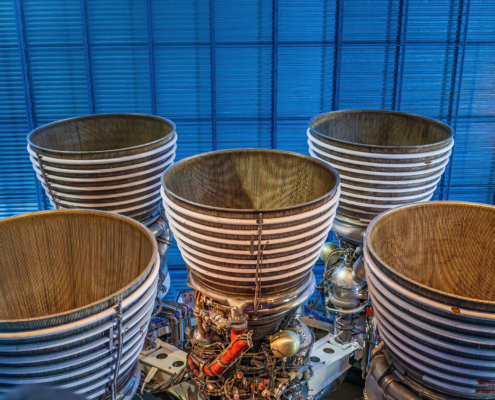
If you’re building or supporting propulsion, structures, avionics enclosures, or ground-support interfaces, fasteners become a control point for reliability. Getting ahead of requirements early helps you avoid late-stage redesigns, receiving holds, and schedule slips tied to documentation gaps or out-of-family substitutions.

What NASA-Grade Means in Fastener Sourcing

“NASA-grade” isn’t a marketing label. It’s a mindset that assumes tighter scrutiny, stronger documentation discipline, and fewer acceptable unknowns than typical industrial sourcing. It also means you should expect supplier onboarding and verification steps that go beyond “meets spec.”

Requirements Start With Mission Context

A fastener that works on a commercial airframe bracket may struggle in a vibration-dominant, thermal-cycling rocket environment. Load cases, access constraints, and failure consequences drive what “good” looks like, even before you select a part family.

Standards Guide Selection, but Documentation Drives Approval

You’ll still see familiar frameworks like MS, NAS, and AN referenced in aerospace programs, including space work. Even when you’re sourcing custom fasteners, those standards help define geometry, test expectations, finishes, and baseline performance. The approval process, though, tends to rise or fall on documentation completeness and traceability.

Traceability Is a Design Requirement, Not a Receiving Task

For rocket programs, traceability can’t be bolted on at the end. It needs to be planned into how you select materials, define processes, and control lots, especially when exotic alloys or special processes are involved.

Where Custom Fasteners Show Up in Rocket Design

Fasteners become “custom” for more reasons than unusual geometry. Rockets force trade-offs that can make catalog hardware a poor fit, even when it technically exists on paper.

Interfaces With Tight Envelopes and Access Limits

Service panels, confined bays, and tool-clearance constraints often force changes in head style, drive type, shank length, or thread engagement. That’s a common path to custom fasteners because small geometry changes can be the difference between repeatable maintenance and risky workarounds.

Vibration-Dominant Assemblies

Random vibration, acoustic loads, and transient events can loosen hardware if preload and friction behavior aren’t controlled. In these areas, teams frequently move toward high-performance fasteners with defined locking strategies, surface treatments, and torque behavior that hold up through repeated cycles.

Thermal Cycling Across Mixed Materials

Rocket assemblies often combine dissimilar metals and composites. That can create joint behavior problems when thermal expansion rates diverge. Selection isn’t only about being strong enough—it also requires stability after multiple heat-up and cool-down cycles.

Fastener Materials That Matter in Space-Grade Builds

A rocket environment punishes “good enough” metallurgy. Selecting the right fastener materials is about balancing strength, temperature capability, corrosion behavior, and manufacturability while staying realistic about lead times.

Titanium for Weight and Corrosion Performance

Titanium shows up where weight matters and corrosion resistance is required. It’s also useful when galvanic compatibility and long-term durability are priorities, particularly around structures and external interfaces. Titanium can be an excellent choice for aerospace fasteners that need strength without carrying unnecessary mass.

Nickel-Based Alloys for Heat and Strength Retention

Nickel-based alloys are common where heat exposure is sustained, and strength must remain stable. These alloys can be tougher to machine and may require more careful process control, which has implications for supplier capability and schedule.

Stainless and Precipitation-Hardened Options for Broad Utility

Certain stainless and precipitation-hardened alloys can be strong, corrosion-resistant, and easier to source. They often become the practical answer when a joint needs reliability and documentation clarity, but doesn’t require the most exotic option in the materials toolbox.

Match Materials to Failure Modes, Not Just Strength

Selecting fastener materials should start with the ways a joint can fail: loosening, galling, fatigue cracking, corrosion, creep, or thread damage during installation. When the failure mode is clear, material selection becomes much less subjective.

Precision, Tolerances, and the Reality of Fit

Rocket hardware is sensitive to small deviations. With custom fasteners, tolerances and surface condition often matter as much as the headline strength.

Stack-Up Effects Are Where Problems Hide

Even if each component is within tolerance, the assembly can still drift out of functional limits. Thread class, coating thickness, under-head bearing surface, and hole condition can combine into a preload problem or an installation issue that only appears at integration.

Surface Treatments Change Joint Behavior

Plating and coatings affect corrosion resistance, but they also influence friction and torque-tension behavior. If your design assumes a certain preload at a certain torque, surface condition becomes a performance variable, not a cosmetic feature.

Machining Quality Shows Up in Threads First

Threads are one of the fastest places for quality to degrade. Poor thread form can cause seizing at install or loosening under vibration. That’s part of why rocket teams often specify high-performance fasteners with stricter inspection expectations.

Explore KJL Fasteners’ custom fastener solutions for rocket and aerospace builds, including material guidance, tight-tolerance manufacturing, and audit-ready documentation.

Custom vs. Catalog Hardware in Rocket Programs

Catalog parts can work well in many places. The decision is really about risk and predictability across the full lifecycle.

When Catalog Parts Are the Smart Choice

If a part is truly available, well-documented, and proven in similar environments, catalog sourcing can reduce cost and simplify qualification. It can also help when you need fast replacement and broad interchangeability.

Where Custom Fasteners Reduce Risk

Custom fasteners often win when you need a precise fit, specific thread engagement, controlled shear area, special access geometry, or nonstandard materials and finishes. They also help when the program cannot tolerate ambiguity about traceability or process history.

Understand the Trade-Offs Up Front

Custom work can add engineering effort and supplier coordination. On the other hand, it can remove late-stage redesigns, rework at receiving, and downstream failures that are far more expensive than the initial unit price.

What to Look for in a Supplier for NASA-Grade Work

A supplier that can ship parts is not the same as a supplier that can support mission-critical builds. For rocket programs, the evaluation should be structured and evidence-based.

Quality Systems and Process Discipline

Look for suppliers that operate within established aerospace quality frameworks and can show how requirements flow from quote through delivery. The point is repeatability across lots and programs, not a single good build.

Documentation Depth and Consistency

Strong suppliers can provide complete certification packages and keep records consistent across revisions. That includes material reports, process certifications, and traceability details that hold up under audit pressure.

Capability With Hard Materials and Tight Requirements

Many shops can machine common hardware. Fewer can consistently deliver high-performance fasteners in difficult alloys while maintaining dimensional stability, surface condition, and lot control. Ask how they handle tool wear, inspection frequency, and process drift.

Engineering Collaboration Before Problems Become Delays

The best outcomes usually come when engineering and sourcing align early. A supplier who can flag manufacturability risks, clarify ambiguous callouts, and recommend practical adjustments helps prevent schedule damage later.

Managing Lead Times and Constraints in Aerospace Builds

Rocket schedules rarely have slack, and specialty components can become critical-path items quickly. Planning for lead time is a technical task as much as it is a purchasing task.

Design Choices Can Shorten or Extend Lead Time

Material selection, coating requirements, thread forms, and inspection plans influence how fast a supplier can build and certify parts. Designing with realistic processes in mind helps avoid last-minute changes that reset the clock.

Qualification and Onboarding Take Time

Supplier onboarding, first-article expectations, and documentation reviews can add weeks if they’re treated as afterthoughts. Build these steps into the plan, especially when custom fasteners must be approved before integration.

Use Dual-Path Thinking for Critical Hardware

For schedule protection, teams often plan a primary path and a fallback path. That might mean identifying an equivalent alloy option, a secondary process route, or a second qualified source for key aerospace fasteners.

Build Confidence Into Your Fastener Decisions

Rocket programs move faster when fasteners are treated like engineered components, not a late-stage purchase. Early alignment on requirements, fastener materials, documentation expectations, and supplier capability reduces rework and protects certification timelines.

When your design calls for custom fasteners that need to perform like true aerospace fasteners, KJL Fasteners can support the path from requirements to compliant hardware with the quality systems and collaboration style rocket teams rely on.

More Like This

How Kjl Fasteners Supports Rapid Aerospace Prototyping For Experimental Rocket Programs
The Role Of Part Traceability In Rocket Grade Hardware Certification
Material Challenges In Rocket Fastener Design