The Impact of Fasteners on Aircraft Performance

Aerospace fasteners might seem like minor components, but they have a major impact on aircraft performance, contributing to everything from aerodynamic efficiency to structural integrity. The quality and engineering of these fasteners are crucial for achieving optimal flight performance, meeting safety regulations, and ensuring operational longevity. In this blog, we’ll examine how high-quality aerospace fasteners influence key performance aspects, from reducing drag and weight to enhancing durability and reliability in extreme conditions.
Minimizing Drag With Streamlined Fasteners

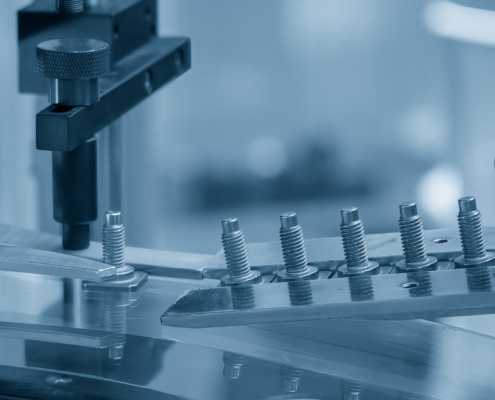
Reducing drag is essential in high-performance military jets and reconnaissance aircraft, where smooth airflow is crucial. Precision-engineered, low-profile fasteners—such as flush rivets and bolts—fit tightly against the skin of these aircraft, creating less resistance and promoting smooth airflow. For instance, stealth fighters may use specialized fasteners to maintain stealth and reduce radar signature, allowing the aircraft to move quickly and quietly through the air. By reducing drag, these fasteners directly contribute to agility and fuel efficiency, enhancing mission effectiveness.

Maintaining Stability and Smooth Surfaces

Well-engineered fasteners help maintain a uniform surface across the aircraft, which is crucial for stable flight. In military and surveillance aircraft, stable airflow and minimal turbulence allow for faster, more precise maneuvers. Fasteners with smooth surfaces prevent unnecessary airflow disruptions, keeping the aircraft streamlined and enhancing both speed and control, which is critical in tactical and combat environments.

Fasteners and Aerodynamic Efficiency

Fasteners play a significant role in optimizing an aircraft’s aerodynamic performance. When properly designed and applied, they reduce drag and improve speed, stability, and overall flight efficiency.

Fasteners’ Role in Weight Reduction and Fuel Efficiency

Weight reduction is a constant priority for aerospace applications. Lightweight, high-strength fasteners help reduce an aircraft’s weight, improving fuel efficiency and extending its operational range.

Advanced Materials for Lightweight Design

Military jets, unmanned aerial vehicles (UAVs), and spacecraft rely on fasteners made from materials like titanium and aluminum alloys, which offer high strength with minimal weight. For instance, titanium fasteners are commonly used in UAVs to maintain agility and extend flight duration without sacrificing durability. The reduction in weight helps the aircraft remain fuel-efficient, allowing UAVs to fly longer missions or carry more equipment for enhanced reconnaissance capabilities.

Balancing Strength and Lightness in Fastener Design

While reducing weight, all aircraft fastener types must still meet high structural demands. Custom-engineered fasteners used in mission-critical aviation parts like the landing gear and wings are designed to withstand extreme forces. In advanced military jets, these lightweight yet resilient fasteners contribute to greater maneuverability and acceleration without compromising structural stability. This balance between lightness and strength is crucial for high-performance applications where every ounce counts.

At KJL, we know exactly what it takes to deliver high-quality fasteners that improve aircraft performance and ensure mission success. Discover how we can support your next project.

Ensuring Airworthiness, Safety, and Compliance

High-quality fasteners that meet military and aerospace regulations are critical to aircraft safety and performance in high-risk applications.

Meeting Military Standards for Safety

Aerospace fasteners must meet strict military standards, such as MIL-SPEC, to ensure their performance under extreme conditions. Compliance with these standards is crucial to prevent in-flight failures and enhance mission success. For example, the structural fasteners used in combat aircraft are rigorously tested to meet high impact and load-bearing requirements. By using fasteners that adhere to these standards, aerospace manufacturers help ensure the safety and resilience of aircraft in demanding environments.

Maintaining Structural Integrity Under Extreme Conditions

Fasteners must retain integrity during extreme conditions, such as rapid altitude changes and high-speed maneuvers. In military applications, these fasteners help withstand the added stress from advanced flight dynamics. Fasteners in jet engines and wing attachments must endure rapid pressure changes during combat or reconnaissance missions. By using fasteners with high resilience, military aircraft are able to maintain structural integrity even during the high stresses of mission-critical flight.

Improving Durability, Stability, and Stress Resistance

Fasteners Designed to Resist Intense Vibration

In high-stress aerospace environments, fasteners must resist vibrations that can weaken or loosen connections. This is especially crucial in areas with high levels of vibration, such as the fuselage or near the engines. Helicopters and tactical fighter jets experience intense vibrations, which place additional demands on the structural fasteners. Specialized vibration-resistant fasteners are used in these areas to secure components and prevent loosening, maintaining stability and minimizing in-flight noise for optimal aircraft performance.

Preventing Fatigue Cracking for Extended Durability

Over time, stress from repetitive operations can lead to fatigue cracking, which weakens the aircraft’s structure. By using fasteners engineered for high-stress applications, aircraft can maintain structural stability over a longer operational life, reducing the need for frequent maintenance and ensuring reliability in high-demand missions.

Improving Long-Term Performance

Durable fasteners help aircraft withstand harsh conditions, enhancing both durability and reliability on long-range missions or extended service cycles.

Fastener Resilience in Extreme Environments

Aircraft used in military and space exploration must endure various extreme conditions, from the high-speed re-entry of spacecraft to the sub-zero temperatures at high altitudes. Fasteners made from superalloys like Inconel offer exceptional resistance to corrosion and heat, which is essential for components near engines and in external aircraft areas. High-altitude reconnaissance aircraft, for instance, depend on these fasteners to perform in freezing temperatures, where durability is crucial for the stability and functionality of mission-critical equipment.

Reducing Structural Fatigue and Downtime

Fasteners designed for aerospace applications reduce structural fatigue, enhance durability, and limit the need for frequent maintenance. This is particularly valuable for aircraft that remain in service for extended periods and are subjected to intense missions and lengthy deployment cycles. With advanced fatigue-resistant fasteners, these aircraft maintain performance with fewer maintenance disruptions, reducing costs and extending their service life, which is essential for long-term operational readiness.

Optimizing Aircraft Performance With Aerospace Fastener Manufacturer

Partnering with a specialized aerospace fastener manufacturer brings significant advantages for military and aerospace clients. A fastener provider understands the demanding requirements of high-performance applications, from compliance with MIL-SPEC standards to optimizing durability in extreme conditions. By focusing on precision engineering and custom manufacturing, these manufacturers ensure the highest quality fasteners tailored to the unique needs of each application, ultimately enhancing aircraft performance, safety, and operational success.

Find Your High-Performance Fastener With KJL Fasteners

In aerospace and defense applications, high-quality fasteners are vital to achieving and maintaining optimal aircraft performance. From supporting fuel efficiency to enhancing durability in harsh conditions, these components have a lasting impact on the success and reliability of each mission. Contact the KJL Fasteners team today to learn how our advanced engineering and manufacturing capabilities can help drive the success of your next aerospace project.

More Like This

How Custom Fasteners Are Engineered For Rocket Propulsion Systems
Aerospace Fasteners In 2025 And Beyond Materials, Manufacturing, And Market Shifts Img
Inconel Aerospace Fasteners, Titanium, And Beyond Material Science In Custom Aerospace Fastener Manufacturing
Aerospace Fastener Alternatives When Oem Part Numbers Fail
Worker Checking Airplane Engine In Airport Hangar
Custom Fastener Sourcing What To Do When Standard Parts Don’t Fit