
MS Fastener Compliance: Why You Need to Validate Your MS/NAS Fasteners

In aerospace and defense applications, fasteners are more than just pieces of hardware. They serve as critical safety components. Military Standard (MS) and National Aerospace Standard (NAS) fasteners must perform reliably under extreme conditions, including high G-forces and environmental stress. However, sourcing based on part number alone does not guarantee that a fastener meets the strict requirements of these high-risk industries.
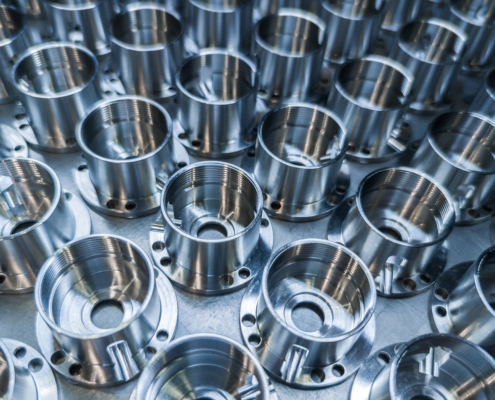

Without proper validation, even a seemingly compliant part can pose serious risks. That’s why aerospace engineers and procurement teams must go beyond catalog numbers and focus on MS fastener compliance, certification, and traceability before accepting any military standard fastener or NAS component.

The Hidden Risks of Part-Number-Only Sourcing

On paper, a part number might appear to match your engineering specifications, but that’s not always the whole story. Many components labeled as “MS” or “NAS” can fall short of compliance standards if they’re missing documentation, incorrectly manufactured, or simply misrepresented.

Part Number ≠ Compliance

A single MS or NAS fastener part number can encompass dozens of combinations: various finishes, materials, diameters, tolerances, and mechanical strengths. Two fasteners with the same designation may differ significantly in their manufacturing origin or material quality. Without documentation, you can’t be certain the part meets aerospace or military specs.

Non-Compliant Parts Can Slip Into the Supply Chain

The global fastener supply chain includes countless intermediaries—distributors, brokers, and resellers. Without full certification and traceability, even reputable suppliers may unknowingly provide counterfeit or out-of-spec parts. These fasteners may look identical to the real thing but lack the rigorous testing and quality controls that MS fastener compliance requires.

The Cost of a Single Failure

One non-compliant fastener can trigger a chain reaction of consequences:

  • Aircraft grounding and missed mission timelines
  • Costly recalls and disassembly
  • Regulatory fines or failed audits
  • Damage to customer trust and supplier relationships

In worst-case scenarios, a single faulty fastener could jeopardize lives or lead to mission failure.

Understanding MS Fastener Compliance Requirements

Before you can validate  MS fastener compliance, it’s essential to understand what MS and NAS standards represent and how they are maintained.

Who Maintains MS and NAS Standards

  • MS (Military Standard): Originally established by the U.S. Department of Defense. Today, many MS fasteners have been reclassified under the NAS-M system or integrated into other aerospace standards.
  • NAS (National Aerospace Standard): Maintained by the Aerospace Industries Association (AIA), NAS fasteners are widely used across military and civilian aircraft.

Both designations are governed by highly detailed specifications covering dimensions, materials, finishes, testing procedures, and tolerances.

How These Standards Ensure Reliability

These fasteners are designed to withstand the most demanding applications, such as airframe loads, thermal cycling, corrosive environments, and vibration. MS and NAS specifications ensure that only fasteners meeting strict mechanical and performance requirements are qualified for aerospace and defense use.

Certifications That Back MS Fastener Compliance

To prove that a fastener meets its standard, suppliers must provide documentation including:

  • AS9100 Certification: Confirms the supplier has a compliant aerospace quality management system.
  • Certificate of Conformance (CoC): A formal declaration that the part meets applicable standards.
  • Material Test Reports (MTRs): Provide mechanical property and material data traceable to the source.
  • Processing Certifications: For plating, heat treating, and other critical procedures.

Discover how KJL Fasteners upholds the highest standards of aerospace fastener quality. Learn more about our rigorous validation process and certified support.

Key Elements of NAS Fastener Traceability

Documentation alone isn’t enough. Compliance also depends on a complete, unbroken chain of traceability, back to raw materials and forward through every link in the supply chain.

Chain of Custody Documentation

This ensures the part has passed through authorized hands only, with every transfer documented. It helps verify that the part hasn’t been altered, substituted, or mishandled.

Lot Numbers and Heat Codes

Each compliant fastener should be traceable to its manufacturing batch, or “lot,” and associated heat treatment records. These details ensure you can track performance history or respond quickly in the event of a quality alert or failure investigation.

Serialized vs. Batch Traceability

  • Serialized traceability assigns a unique ID to each fastener, typically reserved for ultra-critical applications.
  • Batch traceability tracks fasteners by lot, offering traceability while balancing cost and complexity.

Aerospace Fastener Validation: What to Look For

How can you be sure a part is truly compliant before you install it in your assembly or aircraft? A proactive validation process is essential.

5 Questions to Ask Before Accepting a Fastener

Is the supplier AS9100 certified?

If not, their quality system may not meet aerospace standards.

Can they produce a full certification package?

Every fastener should come with CoC, MTRs, processing certs, and batch records.

Has the part been used in similar aerospace applications?

Proven parts offer peace of mind and less risk.

Do the CoC and MTRs match the engineering drawings exactly?

Even slight discrepancies can disqualify a part.

Is the part tracked by lot or serial number?

Without traceability, you’re accepting blind risk.

Common Red Flags in Documentation

Watch for:

  • Mismatched specs: Dimensions or materials don’t match the drawing.
  • Missing heat codes: No way to verify material processing.
  • Unclear origins: No manufacturer info or vague distributor details.
  • Outdated or expired certifications.

Best Practices for Procurement Teams

  • Create an internal checklist to review all certifications.
  • Require full documentation before accepting delivery.
  • Work only with suppliers on an approved vendor list (AVL).
  • Conduct spot audits and visual inspections of incoming parts.

How KJL Fasteners Helps You Meet Compliance Standards

KJL Fasteners is more than a distributor. We act as your compliance partner, with a team that understands the documentation, traceability, and performance demands of aerospace and defense clients.

Certified Quality Systems

KJL Fasteners is AS9100 certified, ensuring every process we follow meets the aerospace industry’s most rigorous quality standards. From contract review to delivery, MS fastener compliance is built into every step.

Fastener Certification Requirements: Fully Met

Each shipment includes:

  • Certificate of Conformance (CoC)
  • Material Test Reports (MTRs)
  • Plating and processing certifications
  • Lot tracking records
  • Manufacturer information and origin details

You receive complete documentation every time, delivered accurately and on schedule, with nothing overlooked.

Real-Time Engineering Support

If questions arise, you’ll talk to someone who knows fasteners, not just a salesperson. Our team is trained in aerospace fastener validation and can walk you through certifications, part specs, and supplier approvals.

Whether you’re evaluating an MS21042 nut or a NAS1351 screw, we help you understand what makes the part compliant—and how to ensure it stays that way.

Don’t Skip the Validation Step

MS and NAS part numbers may suggest compliance, but without validation, they’re just identifiers. Only through documentation, traceability, and supplier accountability can you ensure that your fasteners meet aerospace-grade expectations.

Whether you’re sourcing for a defense system or commercial aircraft, validation isn’t an extra step. It’s a critical one. At KJL Fasteners, we help you source smarter, safer, and with full confidence.

Ready to improve your compliance process? Reach out to KJL Fasteners for support in sourcing and validating MS/NAS fasteners that meet aerospace and defense requirements.

More Like This

A Batch Of Shiny Metal Cnc Aerospace Parts Production Close Up With Selective Focus For Industrial Background