Understanding the Types of Fasteners for Aerospace and Other Mission-Critical Applications

The aerospace industry demands top-tier quality, precision, and reliability in every component, especially fasteners. Aerospace engineers rely on these fasteners to ensure the secure assembly and durability of aircraft, rockets, satellites, and other critical systems. In this guide, we’ll dive into the types of fasteners commonly used in aerospace applications and why high-performance standards are non-negotiable for safety and success.

Understanding Aerospace Fasteners and Their Importance

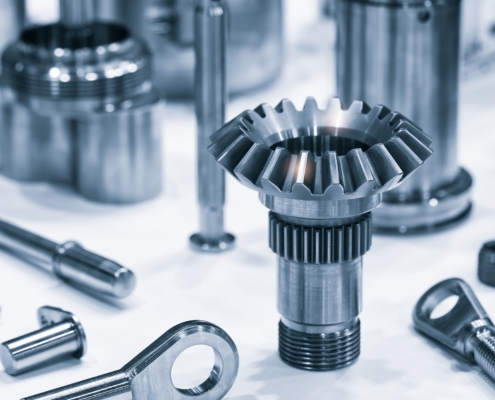
Fasteners in the aerospace sector must adhere to stringent quality and performance criteria to ensure they meet the demands of this high-stakes environment. Beyond simple screws and bolts, these components often feature specialized designs, materials, and coatings to withstand extreme temperatures, vibrations, and pressure changes.

Why Precision Matters in Aerospace Parts Manufacturing

Quality fasteners ensure secure connections, reduce the risk of structural failure, and extend the life of aerospace systems. In aerospace parts manufacturing, precision in design and assembly is critical to meet the industry’s strict standards.

How Fasteners Support Aerospace Engineers in Critical Projects

Engineers rely on high-quality fasteners to execute projects confidently, knowing that each component meets exact specifications. This commitment to quality helps to mitigate risks and deliver optimal performance.

Screws

Screws are fundamental to aerospace assembly, securing various parts together with precision and durability. Due to their versatility and reliability, they are extensively used across mission-critical applications, from assembling aircraft interiors to securing engine components.

Reliable Strength and Versatility of Screws

Aerospace screws are crafted with high-strength materials, often with corrosion-resistant coatings, to ensure longevity in harsh environments. They are versatile enough to join various materials, including metals and composites, and are designed to maintain structural integrity under high vibrations and stress.

Durability and Stability in Vibration-Heavy Environments

In aircraft, screws are essential for parts that face continuous vibration, such as panels, seats, and equipment enclosures. The secure threading and precision of aerospace screws prevent them from loosening over time, providing durable and stable connections in these challenging conditions.

Bolts

Bolts are an essential type of fastener in aerospace structures, providing robust strength and stability for large assemblies. Their ability to handle high levels of stress and tension makes them a staple in aerospace engineering.

Load-Bearing Capability and High Stress Resistance

Bolts are typically used in load-bearing applications, where they withstand immense stress and prevent mechanical deformation. Aerospace bolts are often crafted from high-tensile materials, such as titanium and stainless steel, that endure pressure and temperature fluctuations without compromising strength.

Securing Critical Structural Components

In aerospace engineering, bolts are applied to secure critical structural elements, from fuselage sections to engine mounts. Their resilience in high-stress scenarios ensures that key components remain intact, providing both safety and structural reliability.

Pins

Pins are used to align and secure components, making them ideal for applications where precise positioning is essential. Aerospace pins contribute to both alignment and movement, allowing for controlled flexibility in certain parts.

Accurate Alignment and Controlled Movement

Pins are valued for their role in aligning parts with precision, especially in assemblies that require relative movement, like control surfaces or landing gear. Aerospace pins help maintain accurate positioning, preventing misalignment and ensuring smooth, controlled functionality.

Flexibility in Assembly and Disassembly

Engineers often use pins in applications that require frequent assembly and disassembly. Pins are essential for aerospace systems that require maintenance or adjustments because they hold components securely while allowing quick release when necessary.

Nuts

Nuts are an integral part of fastener assemblies, providing the necessary counterpart to screws and bolts. Aerospace engineers use nuts with other types of fasteners to create connections that can withstand vibrations, temperature changes, and pressure fluctuations.

Thread Integrity and Resistance to Loosening

Aerospace nuts are designed to complement bolts and screws, ensuring a secure threaded connection that resists loosening. Features like lock designs help maintain fastening integrity even in high-vibration environments, ensuring that parts remain secure over long durations.

Durable and Long-Lasting Connections

The durability of nuts makes them an essential type of fastener in assemblies where components must endure significant stress. Aerospace-grade nuts are crafted with coatings to resist corrosion, extending their lifespan in high-stress applications, from engine mounts to structural joints.

At KJL Fasteners, we’re proud to be the leading provider of fasteners for aerospace and other mission-critical applications. Explore our full range of products to find a solution for your next project.

Clamps

Clamps are critical in aerospace systems where fluid or gas containment is essential. These fasteners are used to secure hoses, pipes, and ducts, preventing leaks and ensuring the safety and efficiency of pressurized systems.

Securing Fluid and Gas Lines in High-Pressure Systems

In aerospace, clamps are often used to fasten high-pressure lines carrying fuel, hydraulic fluid, or air. Their secure grip ensures that pipes and hoses remain firmly in place, preventing potentially hazardous leaks in critical systems.

Ensuring Leak-Proof Performance and Stability

Aerospace clamps are engineered to provide a tight, leak-proof seal that withstands high pressures and temperature fluctuations. This feature is vital in applications where a secure seal prevents fluid or gas escape, ensuring system reliability and safety.

Washers

Washers enhance the reliability of fastener connections by distributing load, reducing wear, and minimizing the effects of vibration. Their role is often overlooked, but they are essential in maintaining the long-term stability of aerospace assemblies.

Load Distribution and Surface Protection

By spreading out the load applied to fasteners, washers prevent material damage and improve connection stability. This feature is especially valuable in aerospace applications, where precise load management helps avoid material deformation and extends fastener life.

Reducing the Impact of Vibration on Fastener Integrity

Aerospace washers reduce the impact of vibration on fasteners, preventing components from loosening or shifting. In high-vibration settings, such as aircraft interiors and engine mounts, washers provide a crucial buffer that enhances fastener performance.

Rivets

Rivets provide permanent, vibration-resistant fastening, which is invaluable in many aerospace applications. Their durability and resistance to loosening make them ideal for creating stable and long-lasting assemblies.

Secure, Permanent Solutions for High-Stress Areas

Rivets are used where a permanent bond is required, such as fuselage panels and wing assemblies. With their ability to withstand stress without loosening, rivets ensure that high-stakes components remain securely attached, even under extreme conditions.

Enhancing Structural Integrity With Minimal Maintenance

The stability that rivets offer minimizes maintenance requirements over an aircraft’s life span. This feature is especially useful in parts that are difficult to access, reducing the need for frequent inspections and adjustments.

Bearings

Bearings facilitate movement by reducing friction between rotating parts, making them crucial in aerospace applications requiring precision motion control. Their role in supporting and enabling component movement is critical in complex aerospace systems.

Minimizing Friction for Consistent Motion

Aerospace bearings are designed to reduce friction between moving parts, such as control surfaces and landing gear, ensuring smooth operation. This capability is essential in environments where high precision and consistency in movement are required.

Extending Service Life and Performance of Moving Parts

Bearings prevent wear on essential rotating parts, contributing to extended service life. Their durability under high loads and resistance to wear makes them ideal for high-precision aerospace applications.

Fittings

Fittings create leak-proof connections within fluid and gas systems, ensuring that high-pressure systems function correctly. They are essential in aerospace for maintaining airtight and watertight seals.

Maintaining the Integrity of Fluid and Gas Lines

Aerospace fittings ensure that fluid and gas lines remain intact, preventing leaks that could compromise system performance. These components are crafted to withstand the intense pressure and stress typical of aerospace fluid systems.

Securing High-Pressure Applications With Precision

The precision in aerospace fittings offers reliability in high-pressure environments, ensuring that fluid and gas systems remain secure, even during pressure fluctuations. This feature enhances the durability of fluid transport systems, ensuring safe and reliable performance.

Custom Aerospace Fasteners

For unique project requirements, custom fasteners provide the precise specifications needed. Custom fasteners can be made to order, meeting exact aerospace requirements for size, material, coating, and other specifications.

Tailored Fastening Solutions for Specialized Applications

When projects demand specialized fastening requirements, custom solutions deliver tailored features that meet exacting aerospace standards. Engineers can specify material, size, coatings, and design elements unique to their application.

Enhanced Performance With Custom Modifications

Custom fasteners can undergo specific treatments or coatings, enhancing their strength, corrosion resistance, and longevity. This level of customization is crucial for extreme aerospace environments, providing fasteners with additional durability and safety.

Why Quality Requirements Are Vital for Aerospace Fasteners

In aerospace, even the smallest type of fastener must meet strict quality and safety standards to ensure reliability in high-risk environments.

Meeting the Rigorous Standards of Aerospace Parts Manufacturing

Compliance with industry standards such as AS9100 and ISO 9001 ensures that each fastener meets stringent quality criteria. This dedication to quality enables manufacturers to produce components that perform reliably under extreme conditions.

Contributing to Safer, More Reliable Aerospace Operations

High-quality fasteners are integral to the overall safety and functionality of aerospace systems, from commercial aircraft to space exploration vehicles. Choosing reliable, certified fasteners ensures optimal performance, providing engineers and operators with peace of mind.

Partner With KJL Fasteners for Reliable Aerospace Fastening Solutions

Selecting the right fasteners is essential for any aerospace project. With an extensive product range and deep industry expertise, KJL Fasteners is equipped to provide secure and reliable fastening solutions tailored to your needs. Contact us to discuss your fastener requirements, request a quote, or get expert guidance from our team.

More Like This

Aerospace Fasteners In 2025 And Beyond Materials, Manufacturing, And Market Shifts Img
Inconel Aerospace Fasteners, Titanium, And Beyond Material Science In Custom Aerospace Fastener Manufacturing
Custom Fastener Sourcing What To Do When Standard Parts Don’t Fit
Shiny Metal Aerospace Parts After Cnc Machining On Steel Surface With Selective Focus, Industrial Background
Why Compliance Standards Are Crucial In The Aerospace Manufacturing Industry
The Top Challenges In Aerospace Fastener Manufacturing