Why Compliance Standards Are Crucial in the Aerospace Manufacturing Industry

In the aerospace manufacturing industry, compliance standards aren’t just another box to check—they’re the backbone of safety, quality, and reliability. When engineers and procurement teams source critical elements like fasteners, they rely on strict rules and guidelines to ensure everything holds together under extreme conditions. From takeoff to landing—and even in space travel—adhering to established standards and protocols can mean the difference between smooth operations and catastrophic failure.
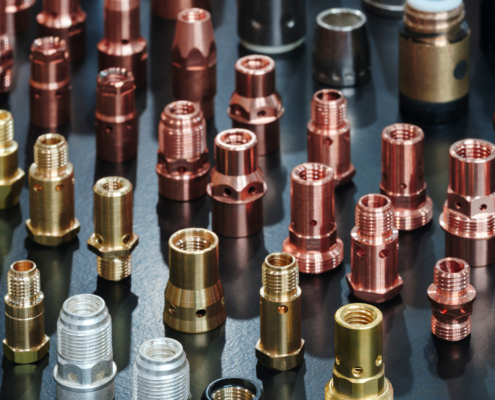
In this blog, we’ll break down some of the key reasons why aerospace compliance standards matter and explore the rules governing this field.

Ensuring Safety and Reliability in the Aerospace Manufacturing Industry

Manufacturing aerospace components isn’t like putting together everyday consumer products. It’s a high-stakes game where there’s little room for error. Every bolt, screw, or rivet must do its job flawlessly, holding wings, fuselages, and other structural parts together through extreme pressure, vibrations, and temperature changes.

The Role of Aerospace Compliance in Maintaining Structural Integrity

At the heart of maintaining safety is aerospace compliance, which sets the standards for materials, designs, and manufacturing processes. These compliance measures ensure that every fastener can handle intense stress loads and resist fatigue over time. By following strictly defined guidelines, engineers can trust that a given component won’t buckle under pressure, preventing the disastrous consequences of structural failure.

Preventing Catastrophic Failures Through Rigorous Quality Control of Fastener Parts

No one wants to face the aftermath of an unexpected malfunction at 30,000 feet in the air. That’s why quality control for fastener parts is so crucial. Compliance standards mandate rigorous testing, inspection, and documentation at every step of production. These checks help identify potential flaws long before the component is installed in an aircraft, dramatically reducing the risk of sudden, in-flight issues.

Maintaining Quality and Precision for Aerospace Fasteners

Precision is critical in aerospace—just a tiny variation in a bolt’s thread or a nut’s dimension can influence an aircraft’s performance. This is where standardized requirements help maintain exacting quality levels and leave nothing to guesswork.

The Importance of Tight Tolerances in the Aerospace Manufacturing Industry

Aerospace fasteners are designed with incredibly tight tolerances. Even fractions of a millimeter matter. Standards ensure that every part aligns with these microscopic measurements, guaranteeing a perfect fit. When components fit together as intended, the entire aircraft can operate more efficiently and reliably, reducing wear and tear on key systems.

Ensuring Consistency Through Robust Testing and Inspection

Quality doesn’t happen by accident—it comes from the consistent application of testing procedures and inspections. Compliance standards define what tests must be performed, from tensile strength evaluations to corrosion resistance assessments. By adhering to these protocols, a fastener company can confidently deliver uniform products that meet the exact same criteria every time, ensuring an unwavering baseline of quality and reliability.

Meeting Industry-Specific Requirements: AS9100, MIL-SPEC, and More

Aerospace compliance isn’t governed by a single rulebook. Instead, it’s a complex web of certifications, specifications, and audits designed to ensure that only top-quality components ever make it into a plane or spacecraft.

Understanding AS9100 and Aerospace Compliance

AS9100 is a widely recognized quality management standard for aerospace manufacturing. It offers a comprehensive set of guidelines for designing, developing, and producing aerospace components. Meeting AS9100 requirements reassures clients that a manufacturer follows best practices, maintains impeccable record-keeping, and constantly improves their processes. It’s like having a gold star for quality and reliability, one that is acknowledged throughout the industry.

The Significance of MIL-SPEC Standards for a Fastener Company

MIL-SPEC standards from the U.S. military apply to various aerospace components, including fasteners. These specifications ensure that parts meet demanding performance requirements related to strength, durability, and compatibility. A fastener company that can meet MIL-SPEC standards proves its capability to handle highly specialized orders for both military and civilian aerospace projects. This not only expands the company’s customer base but also elevates their reputation in a market that values proven compliance above all else.

At KJL Fasteners, we bring decades of specialized industry expertise, cutting-edge quality assurance, and a proven track record to deliver reliable fastener solutions for aerospace solutions. Learn more about our expertise today.

Building Trust With Clients and Regulatory Bodies

Compliance standards safeguard aircraft, but they also build credibility and trust among clients, regulators, and other stakeholders. In an industry where safety and performance are paramount, demonstrating adherence to strict protocols speaks volumes.

Enhancing Credibility Through Transparent Compliance Records

Transparency is key to building trust. When clients can review compliance records, test results, and certifications, they gain confidence in the product’s quality. Clear documentation confirms that every component has undergone a thorough vetting process. In turn, this transparency makes it easier for clients to select a particular supplier or fastener company, knowing that they can rely on consistent, high-quality results.

Gaining a Competitive Advantage

In a competitive marketplace, standing out is often about proving excellence. Companies that embrace compliance standards aren’t just meeting the bare minimum—they’re surpassing it. By consistently upholding aerospace compliance, suppliers distinguish themselves as reliable partners. When clients know they’re working with a team that won’t cut corners, they’re more likely to form long-term, mutually beneficial relationships. This reputation as a compliance-minded leader can open doors to larger contracts, more prestigious clients, and higher-profile projects.

Improving the Longevity and Performance of Aerospace Equipment

Aerospace components aren’t just expected to work once—they must perform flawlessly for extended periods. Compliance standards guide the selection of materials, processes, and designs that enhance durability and reduce maintenance needs.

Durability and Reliability Through Compliance-Aligned Materials and Processes

The materials chosen for aerospace fasteners must stand up to punishing conditions: rapid temperature changes, high-pressure differentials, and exposure to corrosive agents. Compliance standards ensure that only suitable alloys, coatings, and treatments are used, guaranteeing that the final product won’t degrade prematurely. When parts last longer, aircraft spend less time in maintenance and more time in the air, boosting efficiency and profitability.

Long-Term Value and Reduced Maintenance Costs

By ensuring that each fastener is built to stringent standards, compliance also helps minimize the likelihood of repairs and part replacements. Over time, this translates to lower operational costs and fewer unexpected headaches for airlines, defense contractors, and other stakeholders. The result? Greater peace of mind and a more sustainable approach to maintaining complex aerospace systems.

How KJL Fasteners Ensures Compliance and Quality Control of Fastener Parts

It’s one thing to talk about compliance in theory, but another to see it in action. That’s where a proven industry leader like KJL Fasteners steps in. With decades of experience working within the aerospace manufacturing industry, we understand what it takes to meet—and exceed—strict standards.

Proven Experience in the Aerospace Manufacturing Industry

KJL Fasteners has a well-established history of supplying exceptional aerospace fasteners to prime contractors like NASA and Lockheed Martin. We’re well-versed in a wide range of fasteners, from standard nuts and bolts to customized specialty products. This track record and expertise across fastener types make us the trusted choice to handle complex compliance challenges and deliver consistent quality.

Tailored Solutions for Strict Compliance Standards

At KJL Fasteners, we don’t just stockpile off-the-shelf parts—we work closely with engineers and procurement teams to ensure each fastener we provide aligns with precise specifications. Whether it’s meeting AS9100 guidelines, adhering to MIL-SPEC, or adjusting manufacturing methods to accommodate unusual materials, our approach makes it easy for clients to navigate the labyrinth of aerospace compliance requirements without sacrificing efficiency, cost-effectiveness, or innovation.

Maintain Compliance With KJL Fasteners

Don’t leave your critical components to chance—let a team of experts ensure that your fasteners meet every standard and exceed every expectation. Reach out to KJL Fasteners today and discover how our commitment to compliance can elevate your next aerospace project.

More Like This

Aerospace Fasteners In 2025 And Beyond Materials, Manufacturing, And Market Shifts Img
Inconel Aerospace Fasteners, Titanium, And Beyond Material Science In Custom Aerospace Fastener Manufacturing
Custom Fastener Sourcing What To Do When Standard Parts Don’t Fit
Shiny Metal Aerospace Parts After Cnc Machining On Steel Surface With Selective Focus, Industrial Background
The Top Challenges In Aerospace Fastener Manufacturing
Aerospace Fasteners Vs. Industrial Fasteners What’s The Difference